The best seats right at the back of the ship this morning!
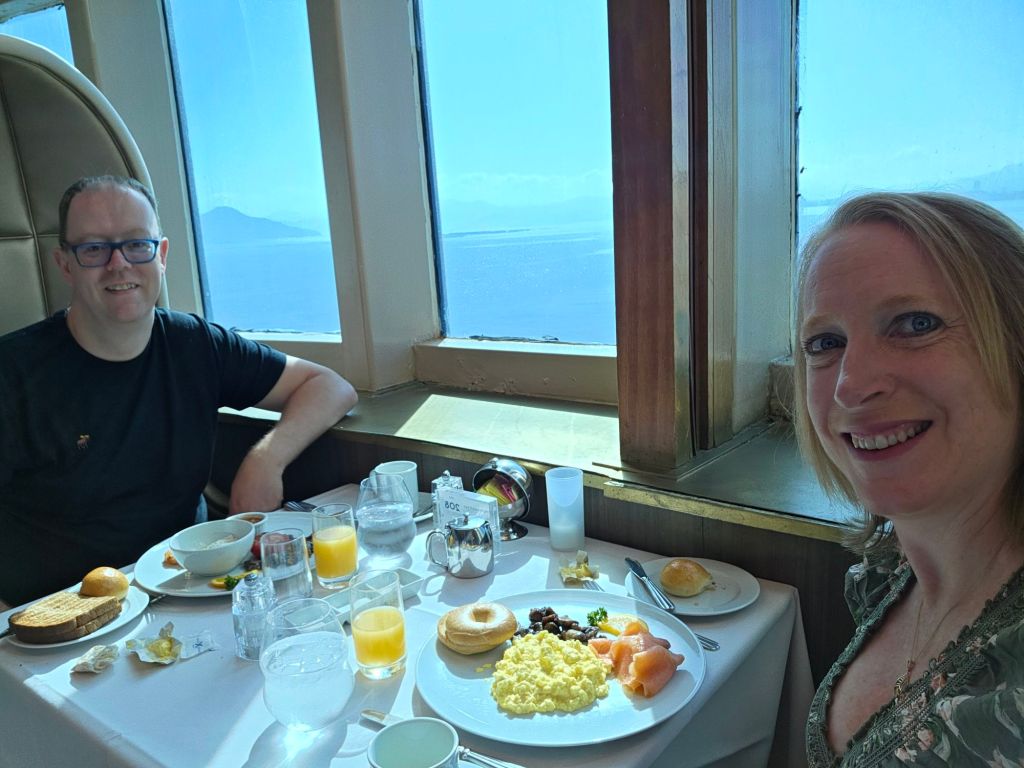
There is such amazing service, especially in the dining room. You are often seated in the same area so that you have the same waiters and sommelier, meaning you end up chatting and laughing with them all.
Interesting to hear our main waiter say he has mate in the kitchen that holds him back the meals he likes!
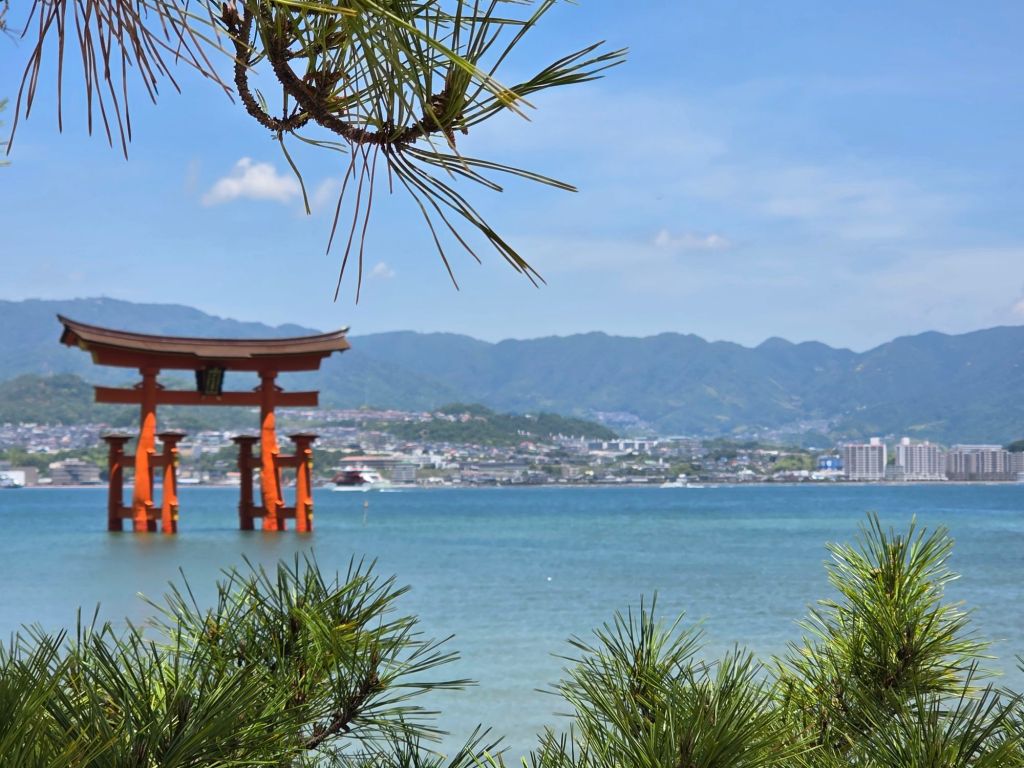
Miyajima island, the oyster capital of the country, and considered a sacred island in the shinto religion.
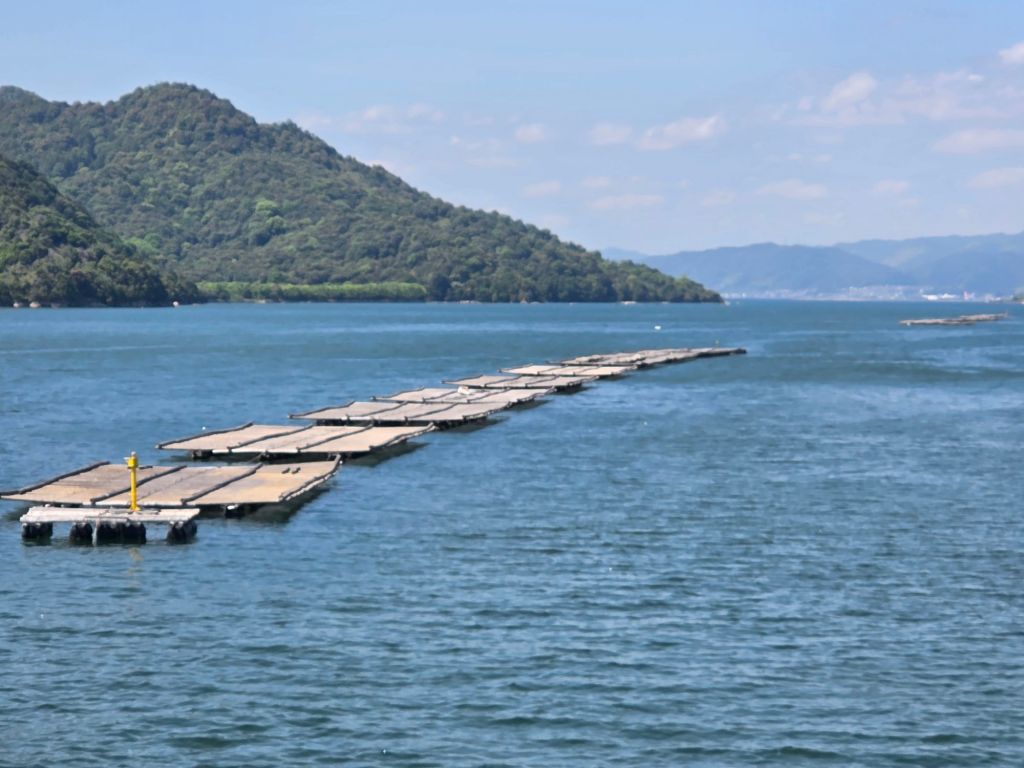
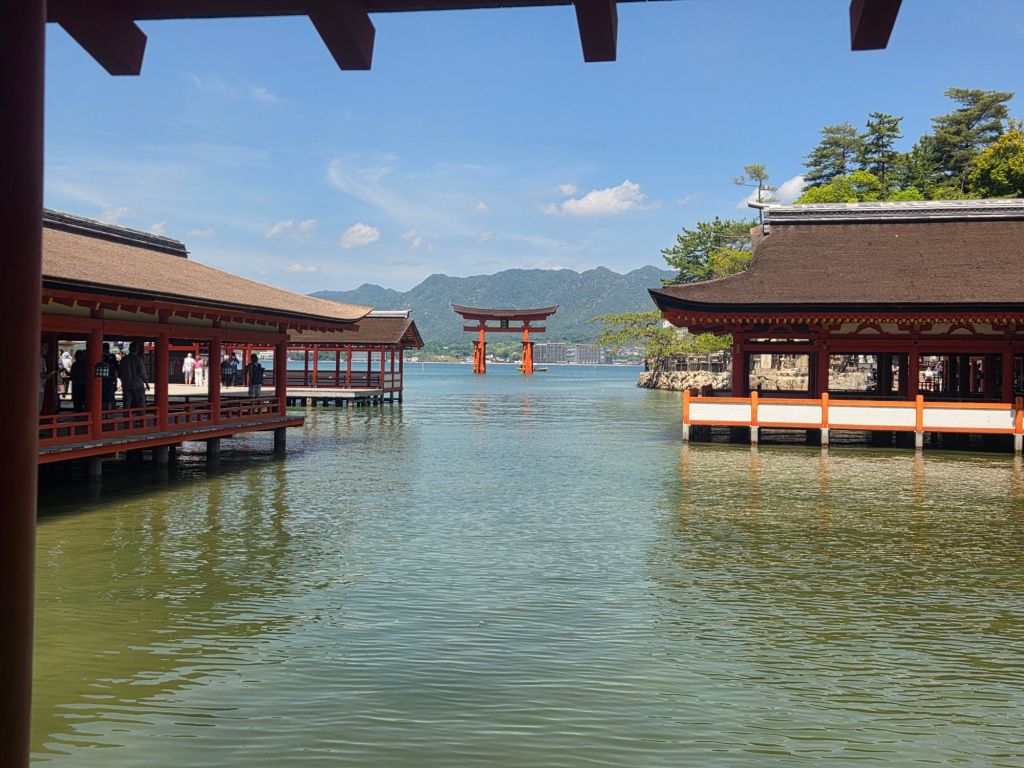
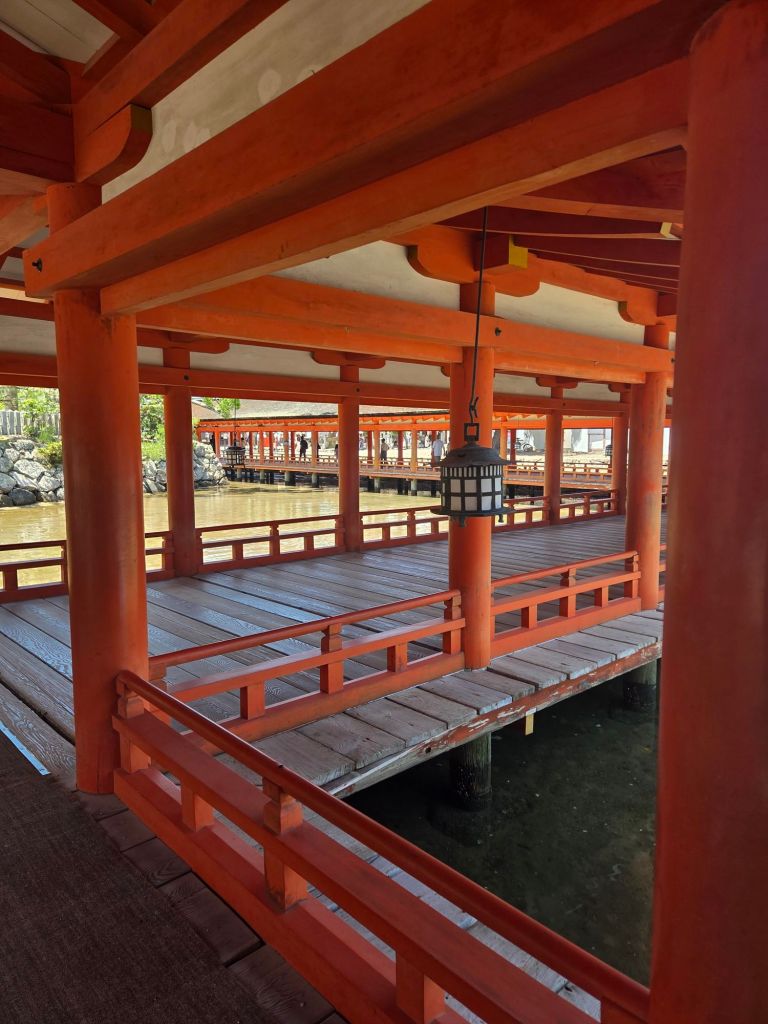
When the shrine was built, you couldn’t build on the island, as it was considered it would damage the deity, therefore the shrine and the tori gate are in the sea. At high tide, they are considered to be “floating”.
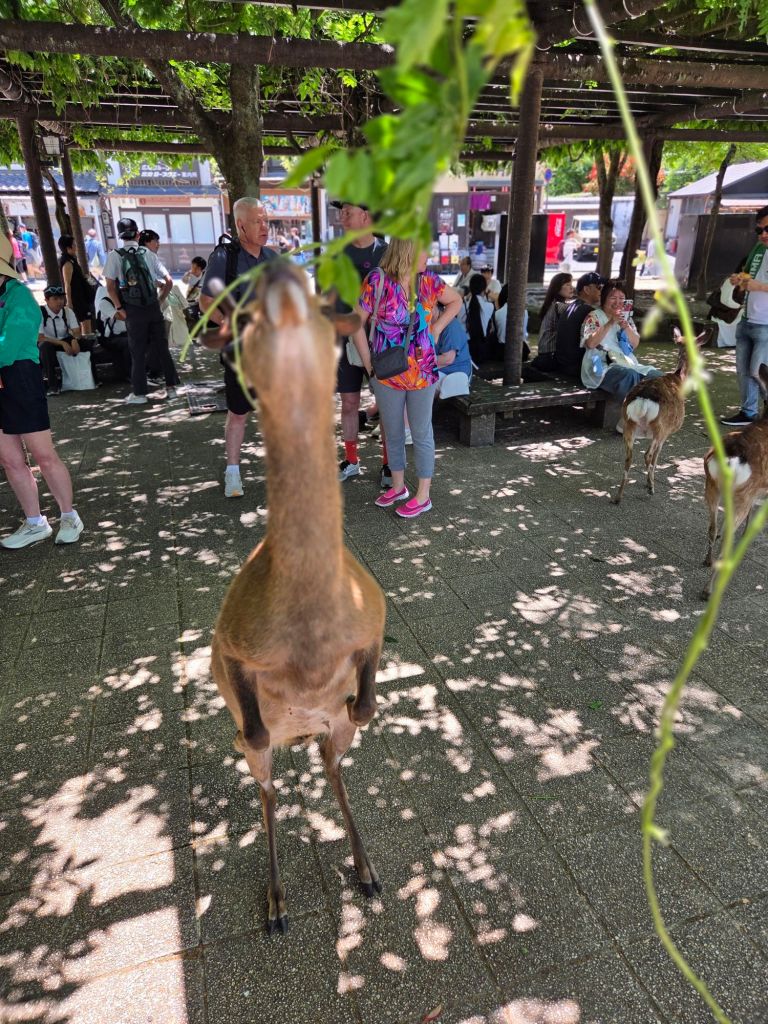
The wild deer are a little too friendly. You are not allowed to feed them, though they will come after any food or even eat paper, tickets etc!
On boarding the ferry to return to the mainland, we discover that Richard and Jo are at the shrine! What a near miss!
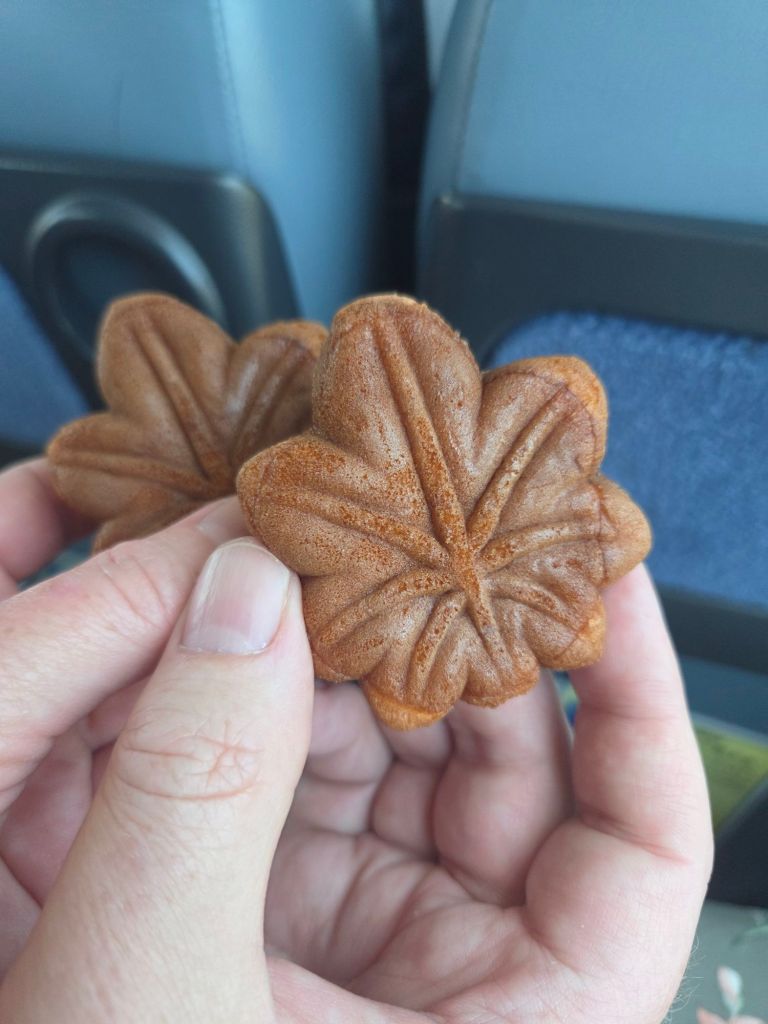
Momiji manjū a local popular snack.
Hiroshima is the 10th largest city in Japan with an impressive 2,500 bridges. Out of a population of 1.2m, 300k people work for Mazda, being the largest company in the city.
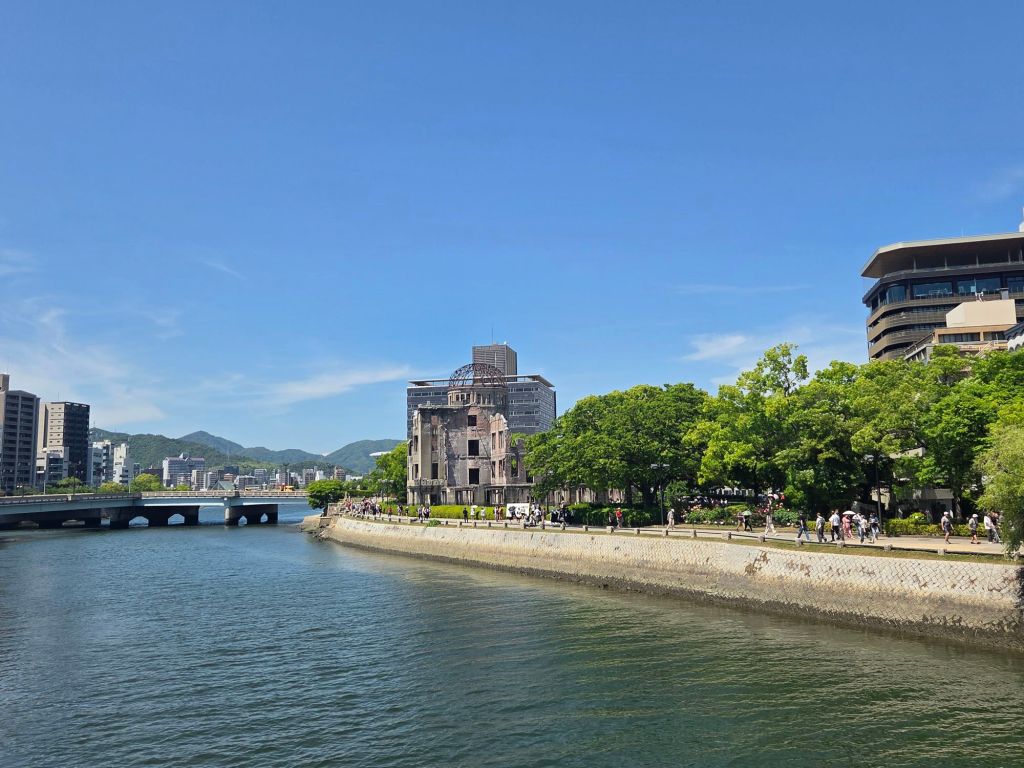
At 8.15 am on 6 August 1945, the US dropped an atomic bomb and it exploded 600m above Horoshima. The target was Aioi Bridge, however, it exploded a few hundred metres south east. It was called “little boy” and contained uranium.
600m is four times the height of the brown building on the right.
The explosion created a fireball that went as high as the earth’s stratosphere, and the fires burned for a day.
145,000 people died from the explosion and after effects of the radiation and many are still suffering. 140,000 had died by the end of the year, about half of these on the day of the bomb. The people had no knowledge of the atomic nature and therefore many people came from out of the area to help the injured, thus increasing the fatality count.
The Industrial Promotion Hall now known as the Atomic Bomb Dome, very close to the hypocentre became a symbol of peace, together with the peace memorial park built on an area where 98 percent of people died.
Before and now
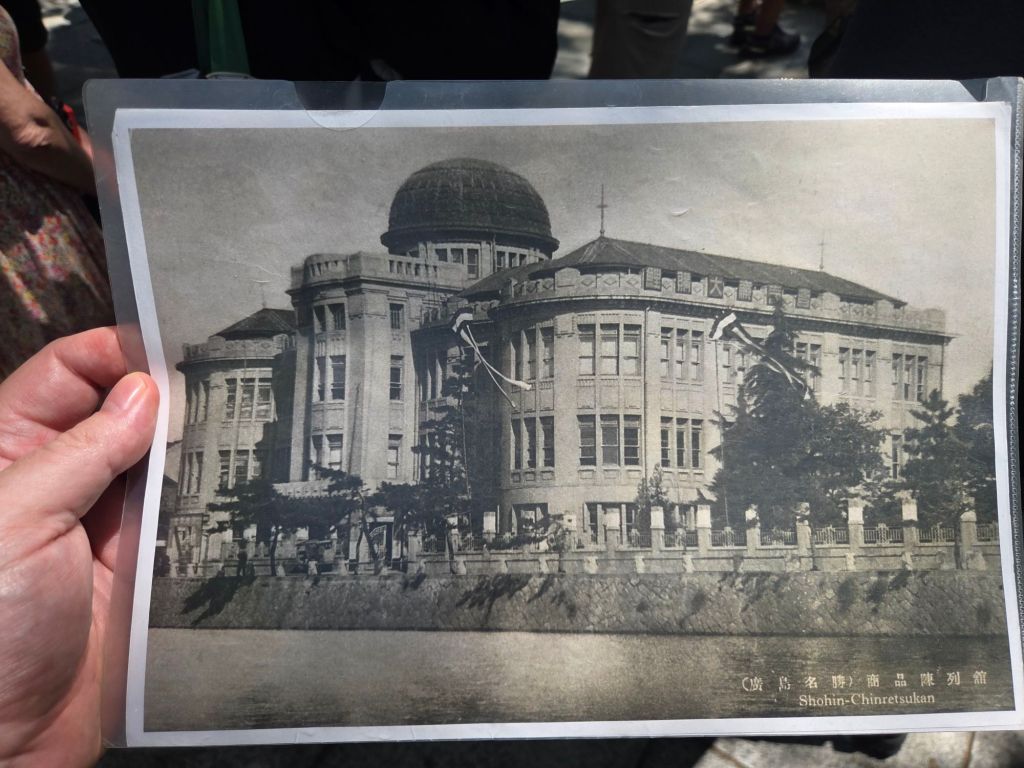
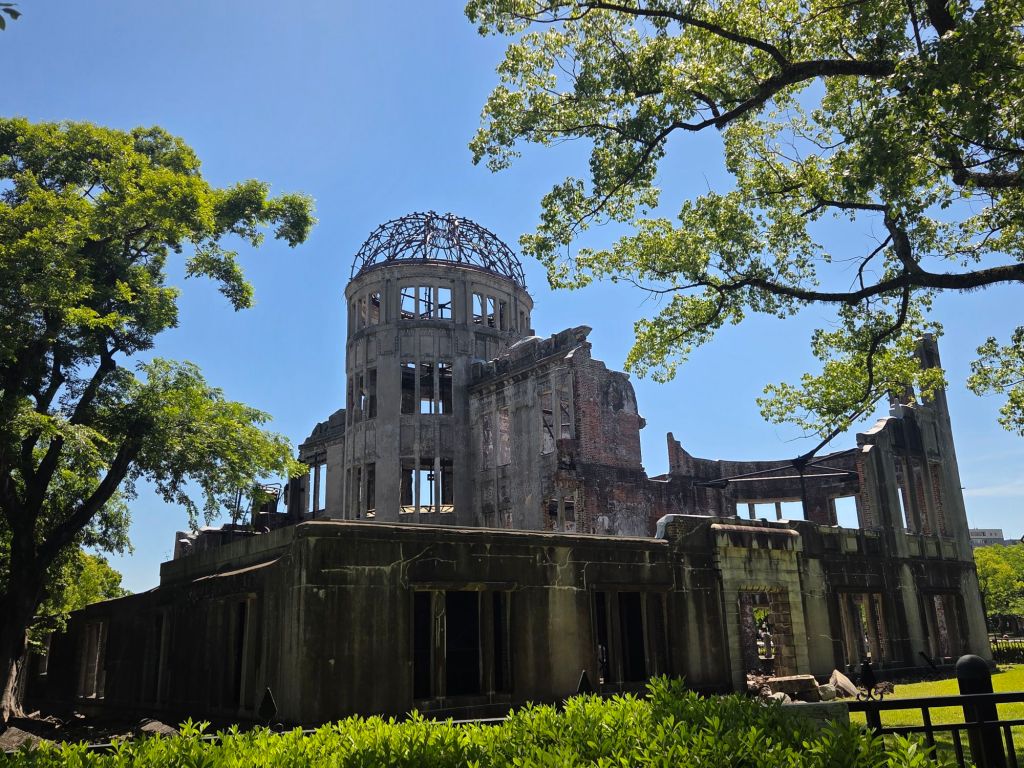
Many young people were working on demolishing buildings to create fire blocks to reduce fire spreading in the event of an air raid, and therefore they were outside and more effected by the a bomb.
The victims were so thirsty that when black rain fell they all wanted to drink it, again not realising the radiation.
Sadako Sasaki was 2 years old and was a mile from where the bomb hit, was blown out of a window, however not injured. She was caught in the black rain. At about age 10 she was diagnosed with leukemia, which was later discovered to be one of many after effects of the radiation.
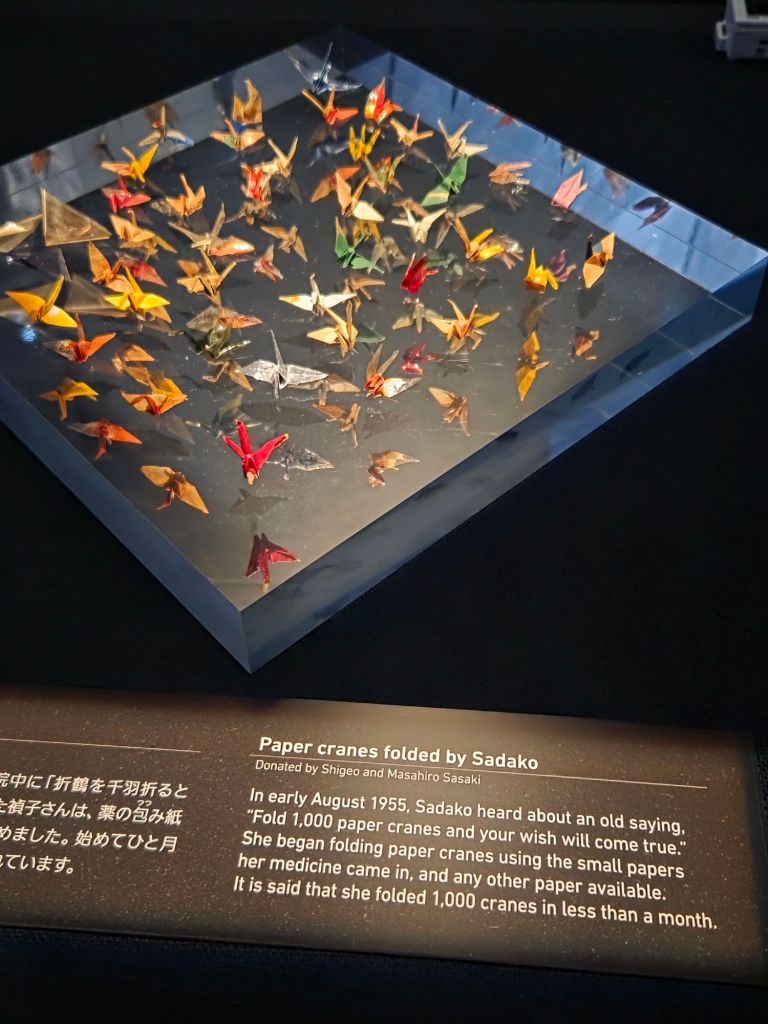
Her father told her the legend that if you fold 1,000 origami cranes your wish will come true. It is said she died before she managed 1,000.
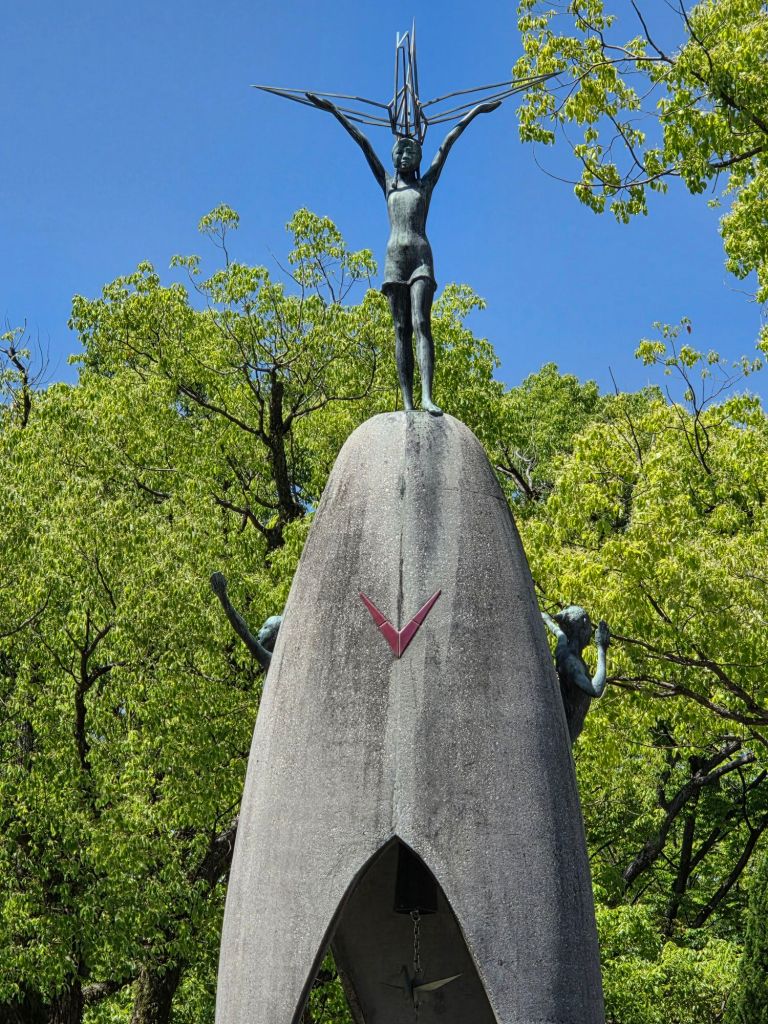
The Children’s Peace Monument features a statue of Sadako holding a paper crane and inscribed “This is our cry. This is our prayer. To build peace in the world”
The museum has a number of her cranes.
The flame of peace in the peace park is a dedicated to abolition of nuclear weapons and will burn until there are none in existence.
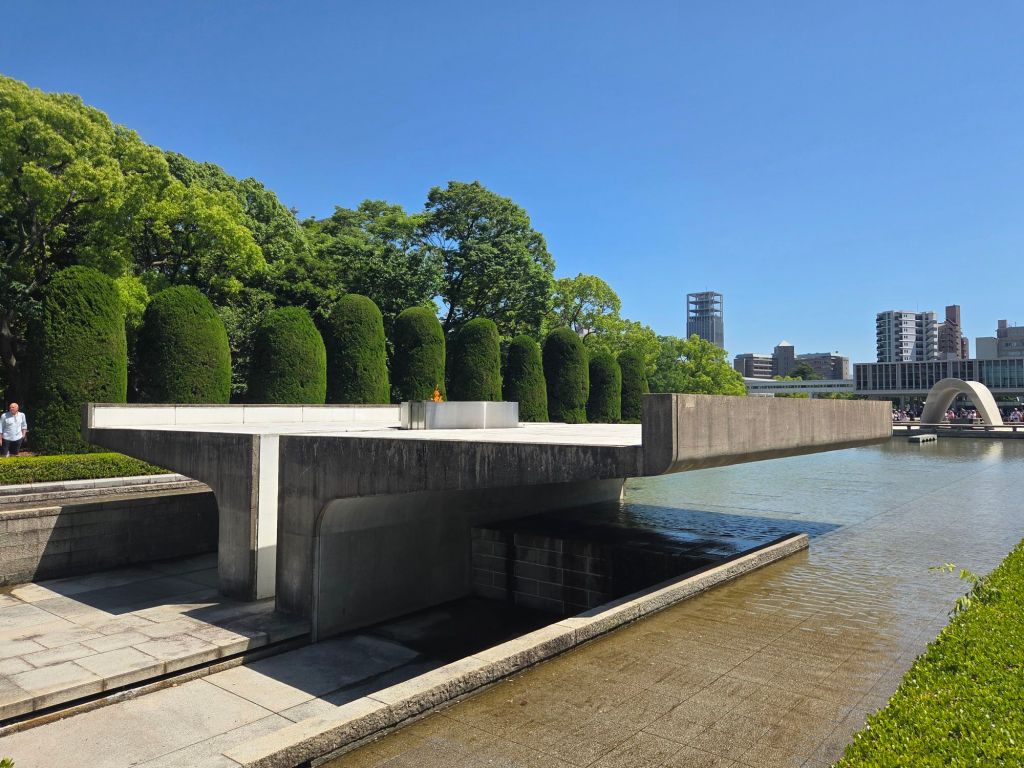
The Victims Memorial Cenotaph
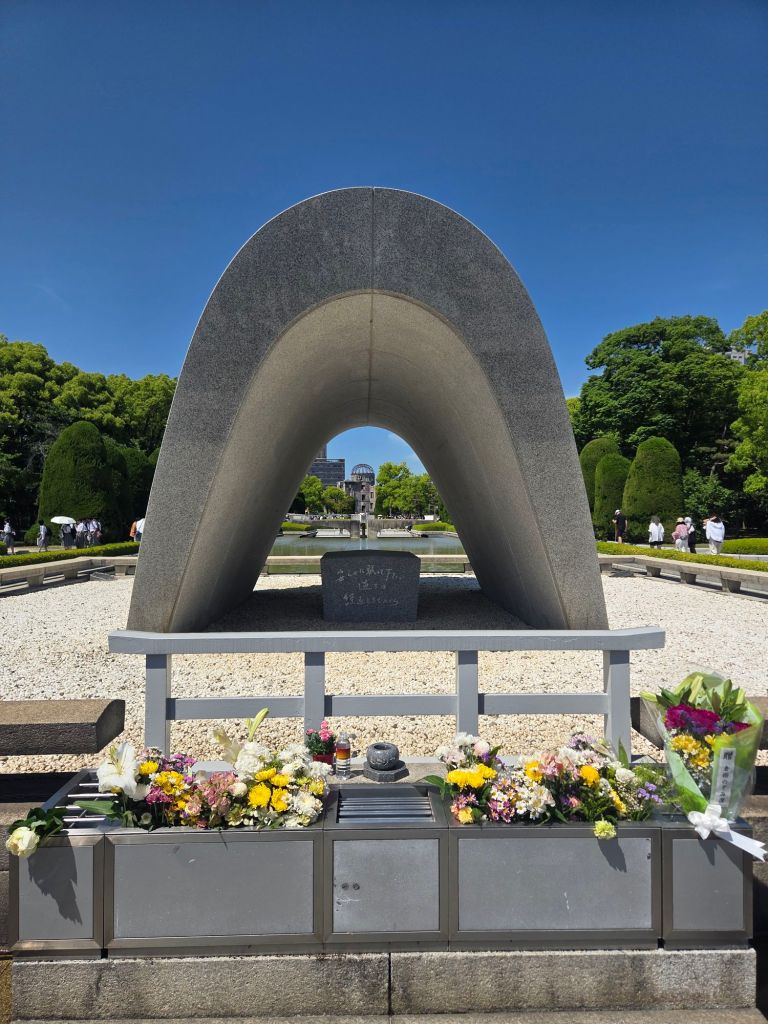
The dome, the flame of peace, the cenotaph, the peace park and the museum are all in alignment.
The museum display, very interesting and hard to take in.
Two days after
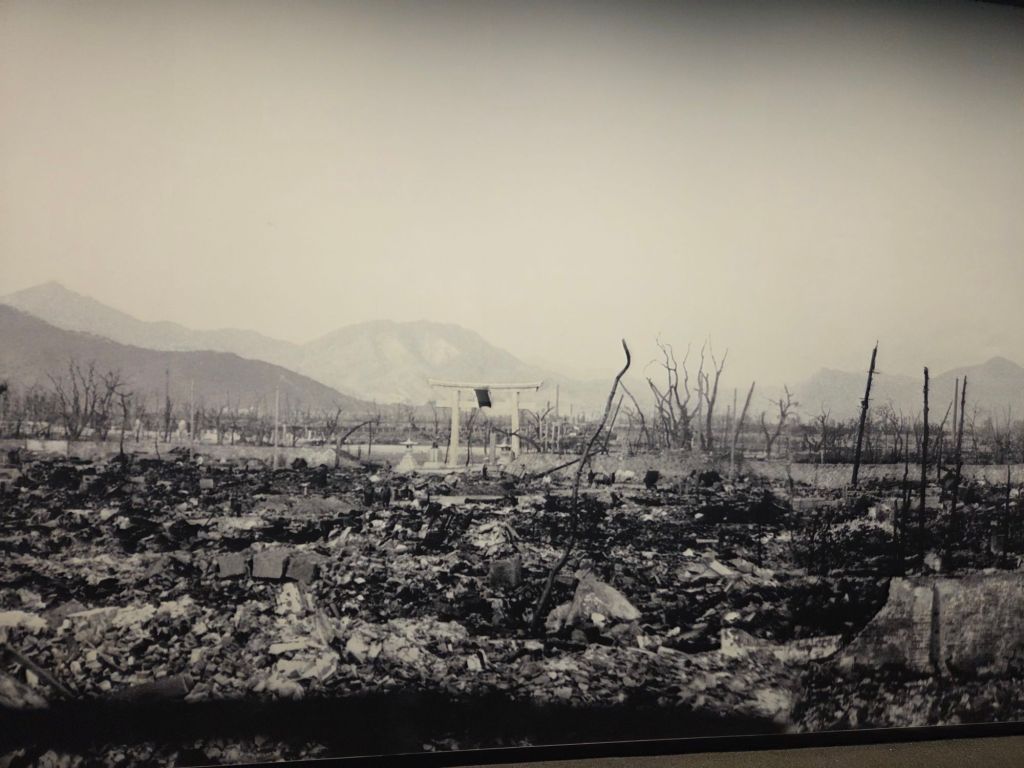
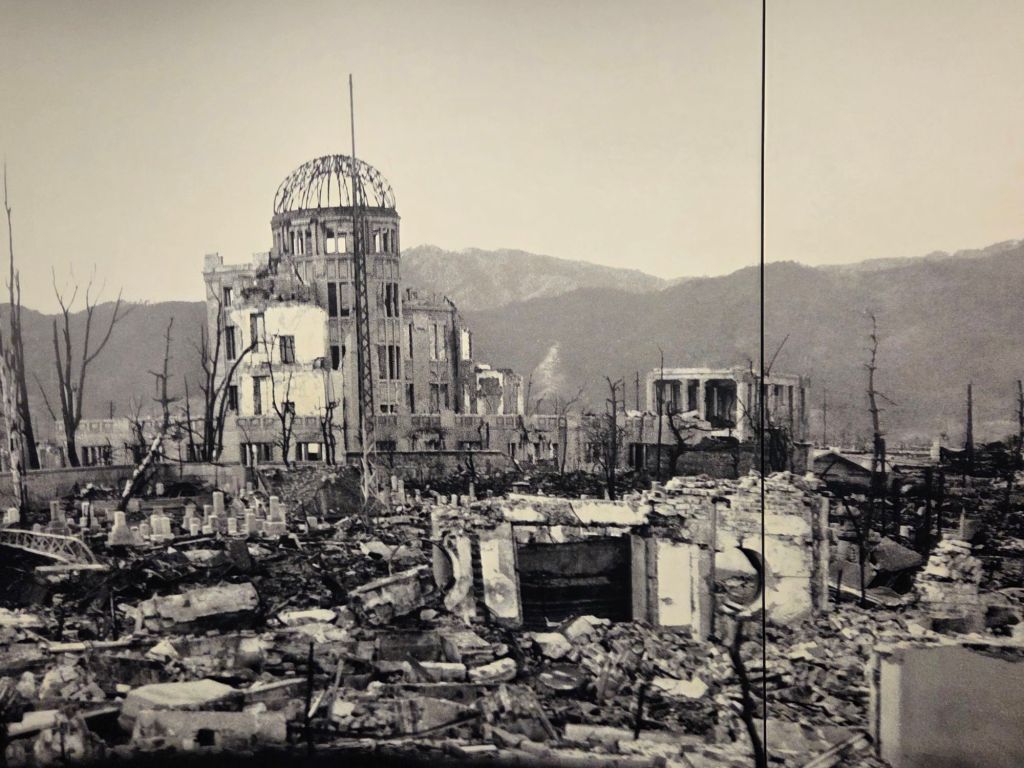
Both the park and the museum were extremely busy, of course coach loads from our ship and another, but also many school groups. Apparently May is the month most schools visit.
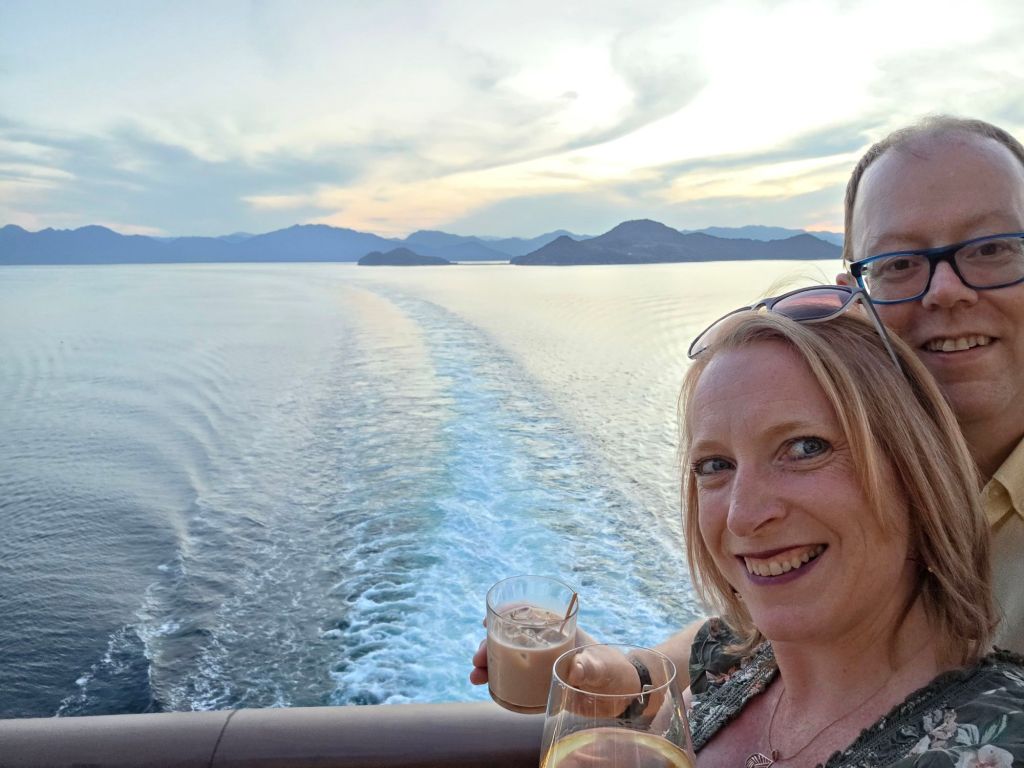
Another beautiful sailaway.
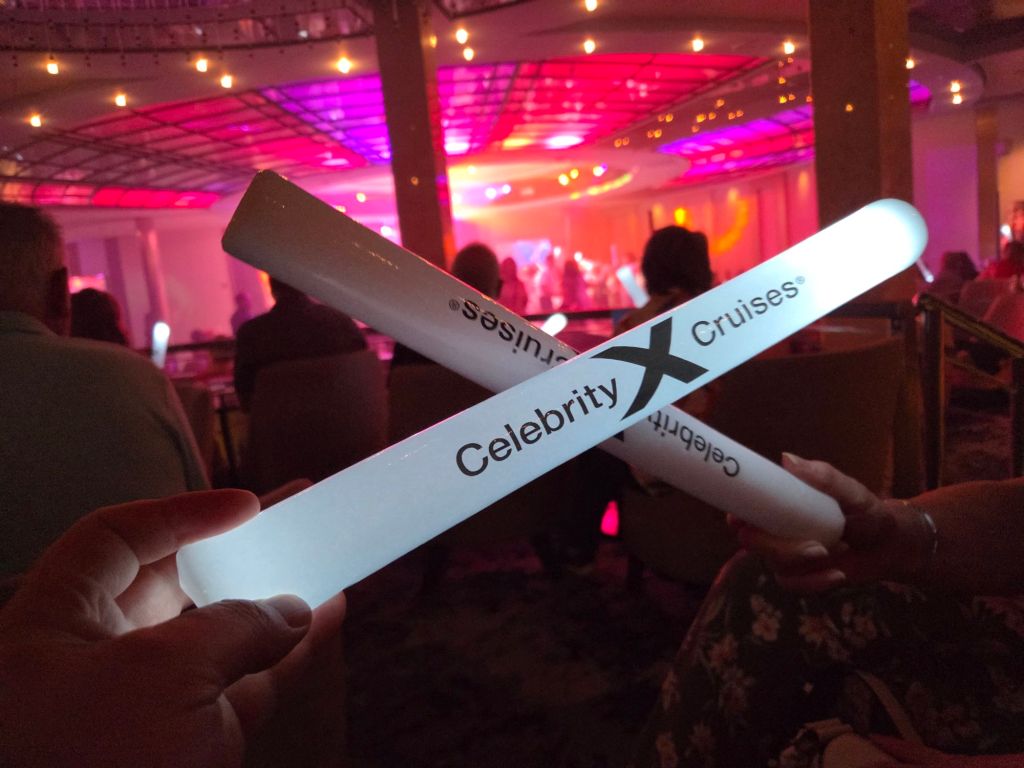
This evening’s entertainment from Phil Cass, an Australian magician and comedy act. Very funny! We absolutely loved his style of understated magic and comedy.
Followed by a little disco time!

 Heather and Mark's travel blog
Such a useful reminder of the damage a nuclear attack can cause.
LikeLiked by 1 person